About this service
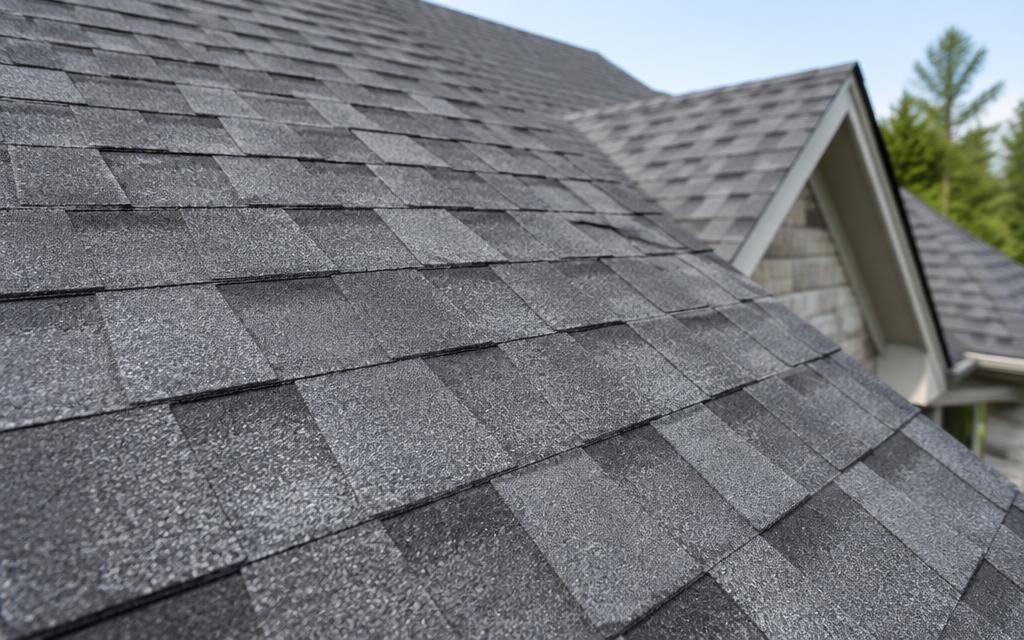
Asphalt shingles cover the majority of American homes. They're available in three-tab and architectural styles, a wide range of colors, and price points that suit many budgets. Installation quality — underlayment, nailing, flashing — matters as much as the shingle itself.
A qualified contractor should evaluate the complete roof assembly before recommending work. The visible symptom may begin at flashing, drainage, ventilation, fasteners, or materials several feet from where moisture appears indoors.
What it generally involves
- Preparing the deck and installing underlayment and starter courses
- Laying shingles to the manufacturer's pattern and fastening spec
- Installing valley, ridge, and penetration flashing
- Finishing with ridge caps and ventilation components
Things to consider
- Architectural shingles generally offer longer life and better wind ratings than three-tab.
- Algae-resistant shingles are popular in humid regions.
- Manufacturer warranties often require certified installation practices — ask contractors about this.
- Ask the contractor about permits and code requirements that apply in your city and county.
What to ask before work starts
- • What condition is causing the problem, and how was it confirmed?
- • Which materials, preparation steps, and disposal costs are included?
- • What workmanship coverage applies to this specific type of roofing work?
- • Are permits, weather protection, cleanup, and final inspection included?
Common questions
How long do asphalt shingles last?
Commonly 20–30 years depending on the product line, installation, and climate. Your contractor can explain the ratings of specific products.
Can individual damaged shingles be replaced?
Yes, isolated shingle damage is often repairable without replacing the whole roof, provided the surrounding roof is in good condition.
Does this website sell or install shingles?
No. We connect visitors with independent local contractors who supply and install materials.