About this service
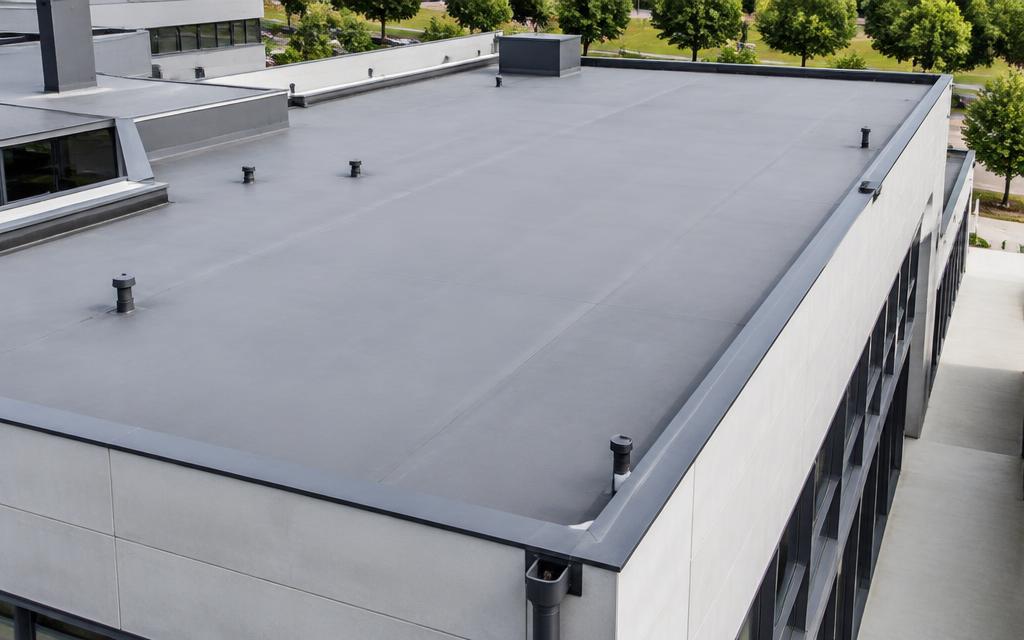
Flat and low-slope roofs rely on membranes and careful drainage design rather than overlapping shingles. Common systems include TPO, EPDM, PVC, modified bitumen, and built-up roofing, each with different installation methods and maintenance profiles.
A qualified contractor should evaluate the complete roof assembly before recommending work. The visible symptom may begin at flashing, drainage, ventilation, fasteners, or materials several feet from where moisture appears indoors.
What it generally involves
- Evaluating slope, drainage points, and existing membrane condition
- Selecting a membrane system suited to the building
- Installing insulation, membrane, seams, and edge details
- Verifying drainage performance at scuppers, drains, and gutters
Things to consider
- Ponding water is a key issue to address in flat roof design and repair.
- Seam quality largely determines a membrane roof's longevity.
- Regular inspections matter more on flat roofs because problems are less visible from the ground.
- Ask the contractor about permits and code requirements that apply in your city and county.
What to ask before work starts
- • What condition is causing the problem, and how was it confirmed?
- • Which materials, preparation steps, and disposal costs are included?
- • What workmanship coverage applies to this specific type of roofing work?
- • Are permits, weather protection, cleanup, and final inspection included?
Common questions
Are flat roofs more prone to leaks?
They drain more slowly than pitched roofs, so membrane condition and drainage details matter greatly. Well-installed and maintained flat roofs perform reliably.
Which flat roofing material is best?
There's no universal answer — TPO, EPDM, and PVC each have strengths. A contractor can match a system to your building and climate.
Does this site install flat roofs?
No. We are a service that connects you with independent contractors who perform the work.