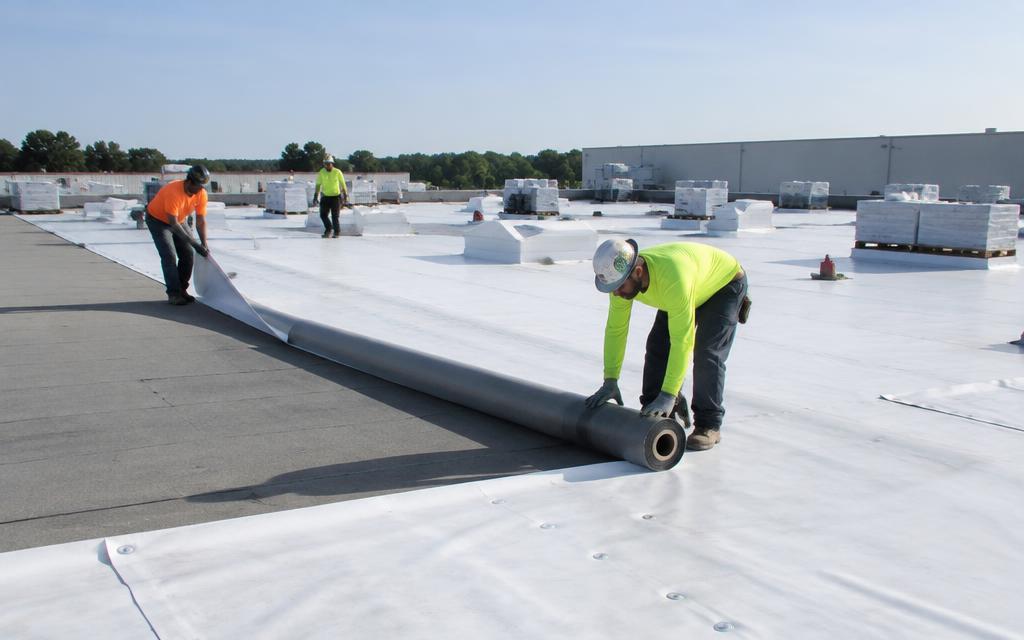
About commercial roofing in Sun City
Commercial roofing typically involves larger surface areas, lower slopes, and different materials than residential work — such as single-ply membranes, modified bitumen, or built-up systems. Projects are usually planned around building occupancy and business operations.
Properties in Sun City and Maricopa County can differ in age, roof shape, materials, exposure, and local requirements. An on-site assessment is the reliable way to determine the right scope for a specific property.
Commercial Roofing in Sun City should account for the roof’s current condition, its material and slope, and the weather exposures common across Arizona. For a larger project, compare written scopes that identify the roof assembly, ventilation or insulation work, flashing details, disposal, permits, and final inspection responsibilities.
Local weather and roof performance
Desert and high-desert roofs face intense sun, heat-driven expansion and contraction, windblown dust, and periods of heavy monsoon rain. Sealants, exposed fasteners, flashings, and drainage paths can age at different rates under those conditions.
- Inspect sun-exposed membranes, coatings, sealants, and pipe flashings for cracking or separation.
- Check scuppers, drains, and low areas before seasonal downpours arrive.
- Discuss reflectivity, ventilation, and heat performance when comparing replacement materials.
Material temperature limits and sudden wind or rain can affect installation timing, so the contractor should explain daily dry-in and weather-protection plans.
What this work generally involves
- Assessing the existing roof system and structural load requirements
- Selecting a membrane or system suited to the building's use
- Coordinating work schedules to limit disruption to occupants
- Installing insulation, membrane, flashing, and drainage components
- Documenting the completed system for maintenance records
Local project considerations
- Flat and low-slope roofs need different drainage planning than pitched roofs.
- Energy codes in many areas influence insulation and reflectivity requirements.
- Planned maintenance programs can extend the life of a commercial system.
- Verify that any contractor carries coverage appropriate for commercial work.
- Ask the contractor about permits and requirements that apply in Sun City.
Common questions
What roofing systems are common on commercial buildings?+
TPO, EPDM, PVC, modified bitumen, and built-up roofing are widely used on low-slope commercial roofs. The right choice depends on the building, budget, and climate.
Can commercial roofing work happen while a business stays open?+
Often yes — contractors commonly phase work to keep entrances and operations accessible. Discuss scheduling with the contractor you hire.
Does this site employ commercial roofing crews?+
No. We are a connection service. Independent contractors available through our service perform and stand behind their own work.
Roofing guides for Sun City property owners
All roofing articles →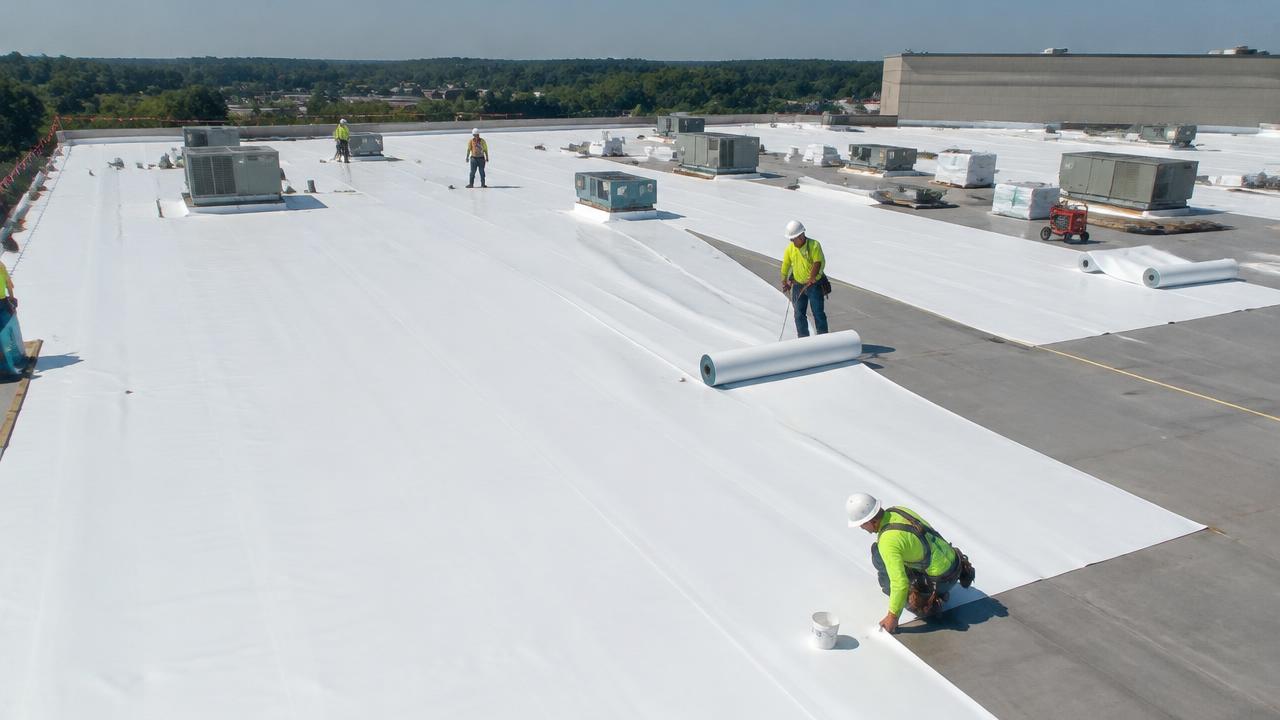
Costs & Planning · 8 min read
Commercial Roof Installation: TPO, EPDM, and PVC Options for Building Owners
Choosing a membrane for a commercial flat roof? Compare TPO, EPDM and PVC, how each is attached and seamed, and how to plan an installation with less disruption to your building.
Read guide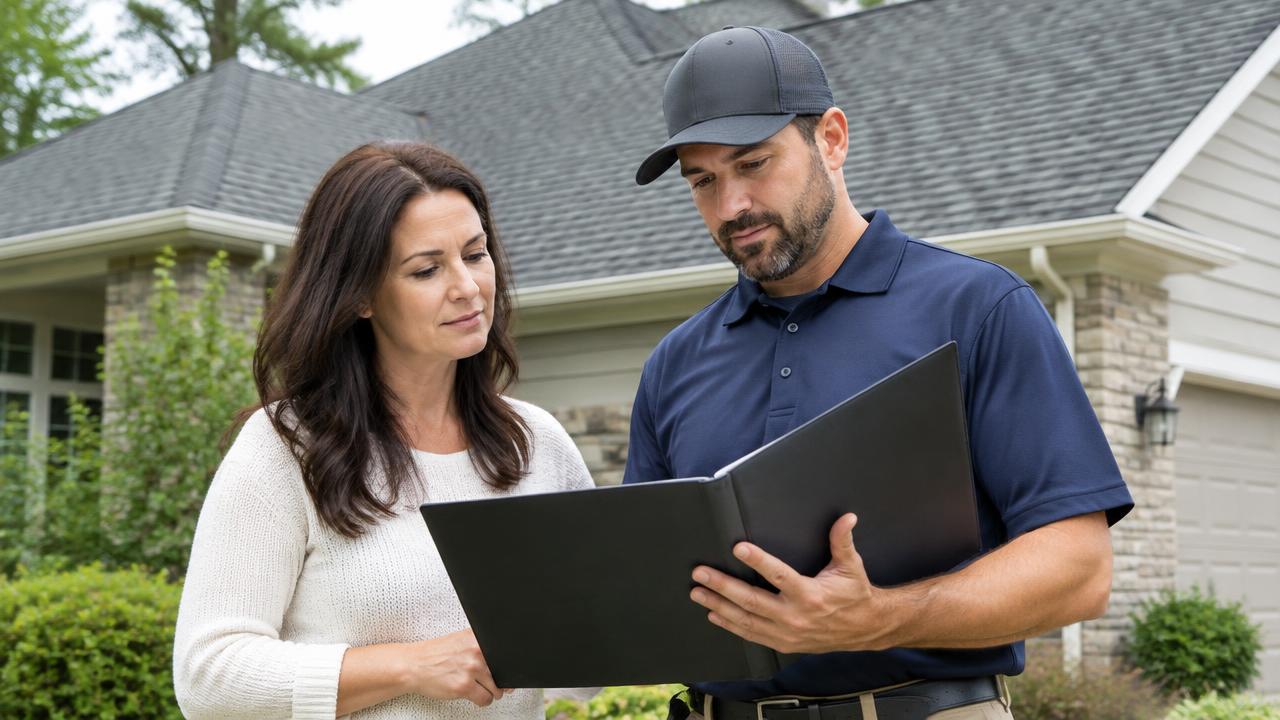
Costs & Planning · 7 min read
Roof Warranties Explained: Material, Workmanship, and Coverage Questions to Ask
A roof warranty is not a promise that every leak will be repaired at no cost. Learn how product warranties, contractor workmanship coverage and system guarantees differ before you sign.
Read guide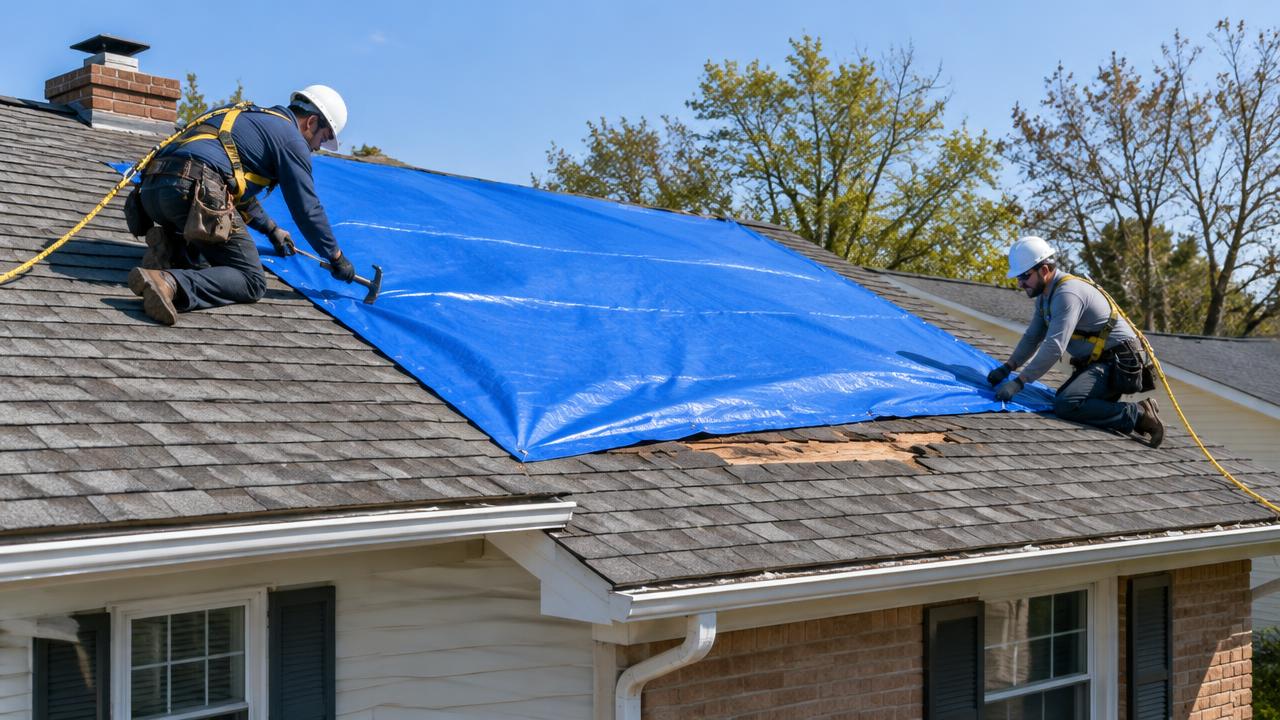
Storm & Emergency · 7 min read
Emergency Roofing Services: A Commercial Roof Leak Response Plan
When a commercial roof starts leaking, protecting occupants, inventory and equipment comes first. Use this response plan to organize a safe handoff from immediate protection to professional roof repair.
Read guide