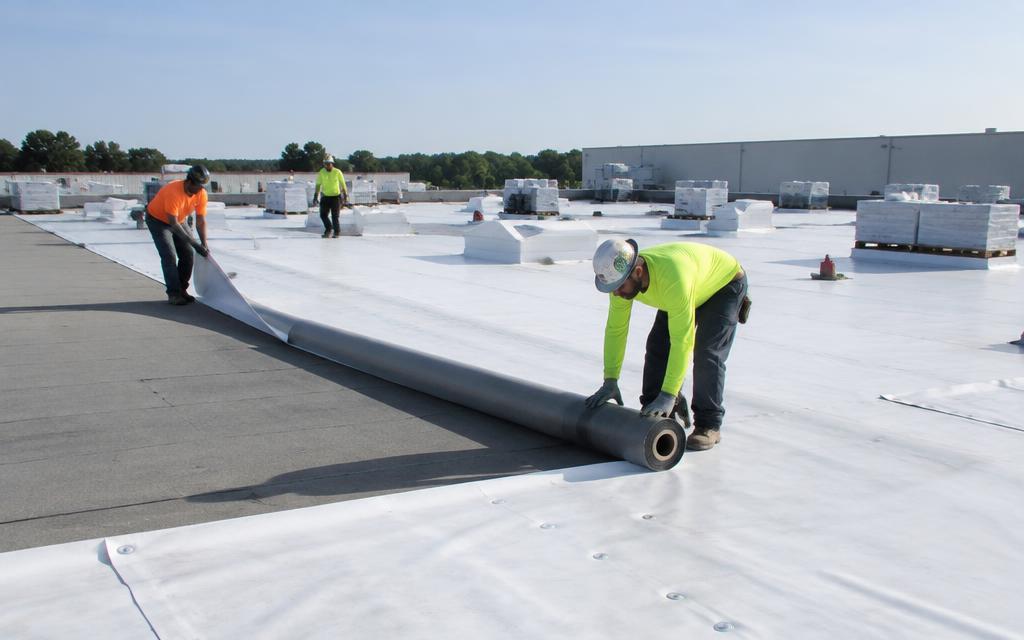
About commercial roofing in Stockton
Commercial roofing typically involves larger surface areas, lower slopes, and different materials than residential work — such as single-ply membranes, modified bitumen, or built-up systems. Projects are usually planned around building occupancy and business operations.
Properties in Stockton and San Joaquin County can differ in age, roof shape, materials, exposure, and local requirements. An on-site assessment is the reliable way to determine the right scope for a specific property.
Commercial Roofing in Stockton should account for the roof’s current condition, its material and slope, and the weather exposures common across California. For a larger project, compare written scopes that identify the roof assembly, ventilation or insulation work, flashing details, disposal, permits, and final inspection responsibilities.
Local weather and roof performance
California roof conditions vary from marine exposure to inland heat, mountain snow, wildfire-prone landscapes, and seasonal heavy rain. Recommendations should reflect the property’s specific climate zone and exposure rather than a statewide assumption.
- Inspect flashings, valleys, drains, and low-slope areas before the rainy season.
- Discuss heat, ultraviolet exposure, and fire-performance requirements when comparing materials.
- Check exposed fasteners, sealants, and roof edges where wind or marine air accelerates wear.
California code, local fire zones, energy requirements, and municipal permits can affect roof materials and assemblies; verify the rules for the property address.
What this work generally involves
- Assessing the existing roof system and structural load requirements
- Selecting a membrane or system suited to the building's use
- Coordinating work schedules to limit disruption to occupants
- Installing insulation, membrane, flashing, and drainage components
- Documenting the completed system for maintenance records
Local project considerations
- Flat and low-slope roofs need different drainage planning than pitched roofs.
- Energy codes in many areas influence insulation and reflectivity requirements.
- Planned maintenance programs can extend the life of a commercial system.
- Verify that any contractor carries coverage appropriate for commercial work.
- Ask the contractor about permits and requirements that apply in Stockton.
Common questions
What roofing systems are common on commercial buildings?+
TPO, EPDM, PVC, modified bitumen, and built-up roofing are widely used on low-slope commercial roofs. The right choice depends on the building, budget, and climate.
Can commercial roofing work happen while a business stays open?+
Often yes — contractors commonly phase work to keep entrances and operations accessible. Discuss scheduling with the contractor you hire.
Does this site employ commercial roofing crews?+
No. We are a connection service. Independent contractors available through our service perform and stand behind their own work.
Roofing guides for Stockton property owners
All roofing articles →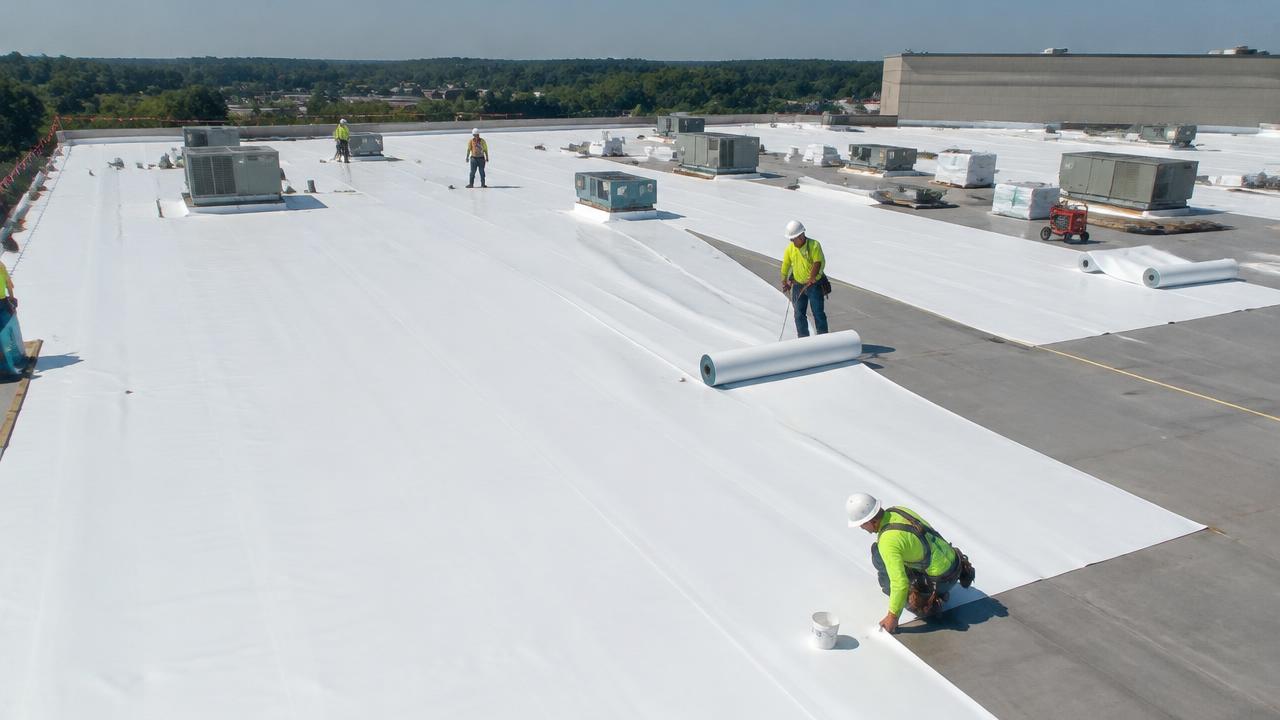
Costs & Planning · 8 min read
Commercial Roof Installation: TPO, EPDM, and PVC Options for Building Owners
Choosing a membrane for a commercial flat roof? Compare TPO, EPDM and PVC, how each is attached and seamed, and how to plan an installation with less disruption to your building.
Read guide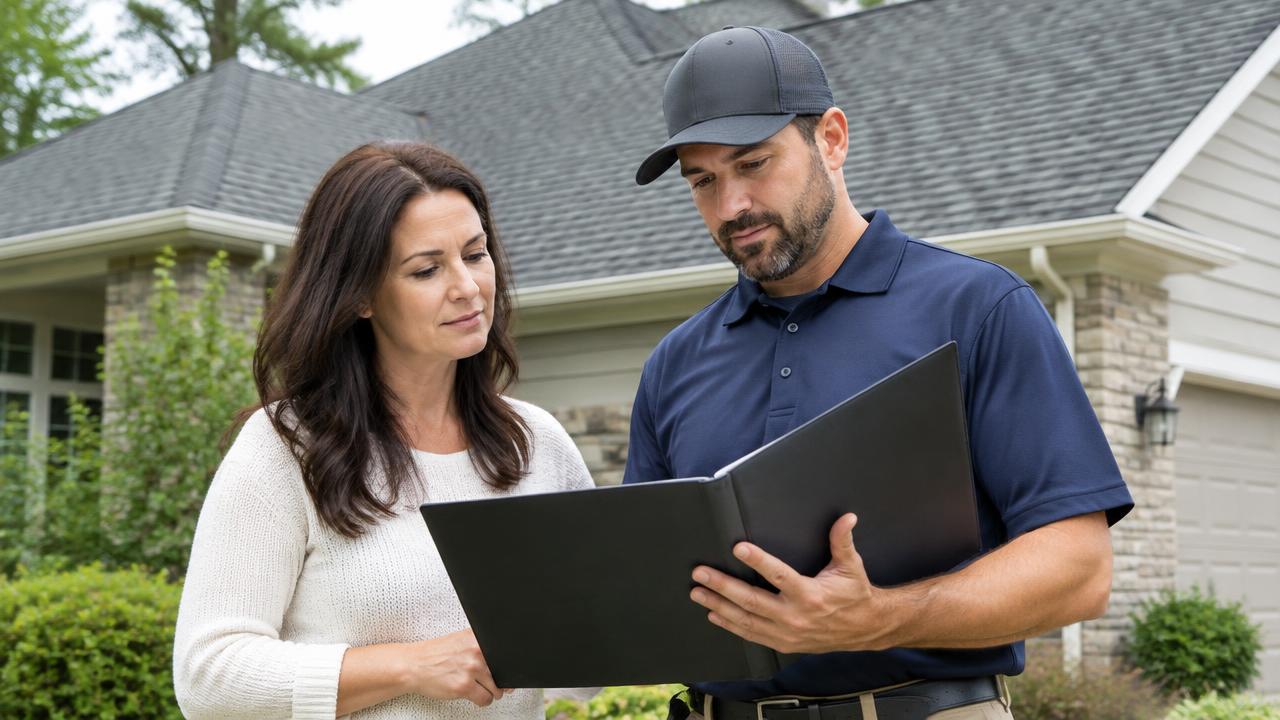
Costs & Planning · 7 min read
Roof Warranties Explained: Material, Workmanship, and Coverage Questions to Ask
A roof warranty is not a promise that every leak will be repaired at no cost. Learn how product warranties, contractor workmanship coverage and system guarantees differ before you sign.
Read guide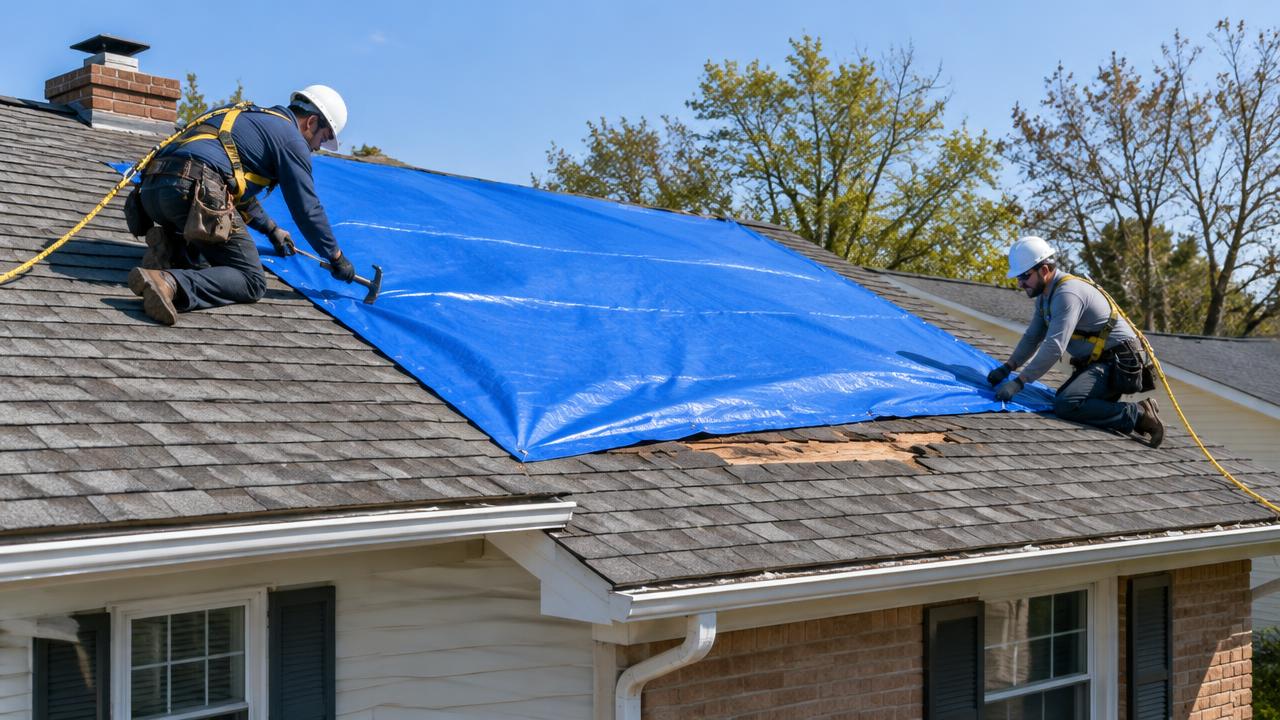
Storm & Emergency · 7 min read
Emergency Roofing Services: A Commercial Roof Leak Response Plan
When a commercial roof starts leaking, protecting occupants, inventory and equipment comes first. Use this response plan to organize a safe handoff from immediate protection to professional roof repair.
Read guide