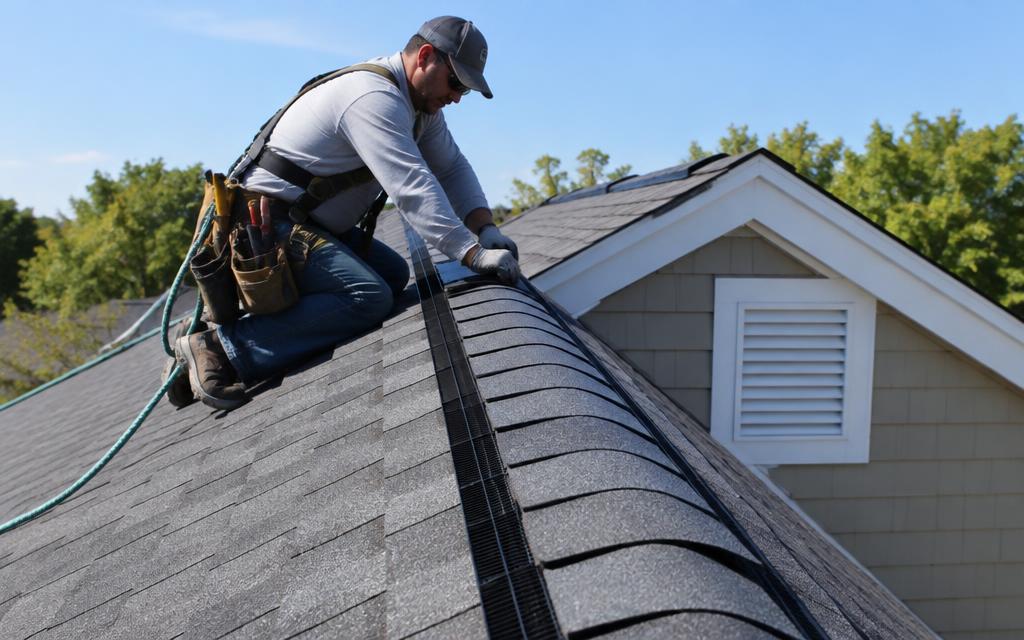
About roof ventilation solutions in Parkland
Roof ventilation balances intake air at the eaves with exhaust at the ridge or roof vents. Proper ventilation helps control attic heat in summer, moisture in winter, and can extend the life of roofing materials.
Properties in Parkland and Pierce County can differ in age, roof shape, materials, exposure, and local requirements. An on-site assessment is the reliable way to determine the right scope for a specific property.
Roof Ventilation Solutions in Parkland should account for the roof’s current condition, its material and slope, and the weather exposures common across Washington. For roof ventilation solutions, the contractor should explain how the proposed material and installation details fit the building, roof slope, and local weather exposure.
Local weather and roof performance
Pacific Northwest roofs often manage long wet periods, wind, shade, organic debris, and mountain snow in colder areas. Reliable flashing, ventilation, drainage, and routine debris removal help control moisture.
- Clear valleys, gutters, scuppers, and shaded roof areas where debris and moisture collect.
- Inspect flashing, penetrations, roof edges, and attic spaces for persistent moisture signs.
- Address moss or biological growth with methods appropriate for the roofing material rather than aggressive surface damage.
Ask how the contractor will manage rain protection during the project and whether local snow or wildfire requirements apply to the site.
What this work generally involves
- Calculating required net free ventilation area for the attic
- Installing or upgrading soffit and ridge vents
- Adding powered vents or turbines where passive flow is insufficient
- Verifying insulation doesn't block intake airflow
Local project considerations
- Ventilation must be balanced — exhaust without intake doesn't work.
- Mixing exhaust vent types can short-circuit airflow.
- Poor ventilation can void some shingle warranties.
- Ask the contractor about permits and requirements that apply in Parkland.
Common questions
What are signs of poor roof ventilation?+
Hot upper floors in summer, ice dams in winter, musty attic smells, and prematurely aging shingles can all point to ventilation problems.
Can ventilation be added to an existing roof?+
Usually yes — ridge, soffit, or roof vents can often be retrofitted. A contractor can evaluate your attic's current airflow.
Does this website design ventilation systems?+
No. Assessment and installation are done by the independent contractor you hire.
Roofing guides for Parkland property owners
All roofing articles →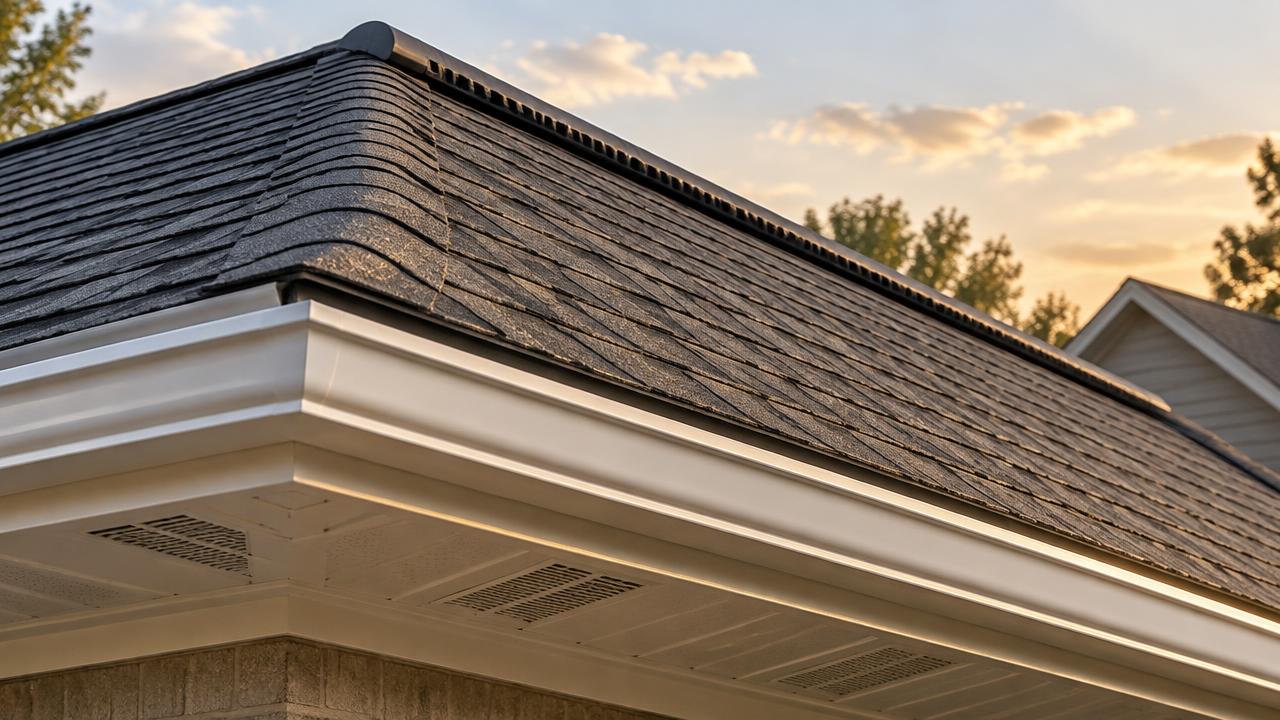
Roofing Tips · 7 min read
Roof Ventilation Guide: Types, Common Problems, and How to Improve Attic Airflow
Learn how attic ventilation works, the main types of roof vents, warning signs of poor airflow, and practical ways to improve ventilation in your home.
Read guide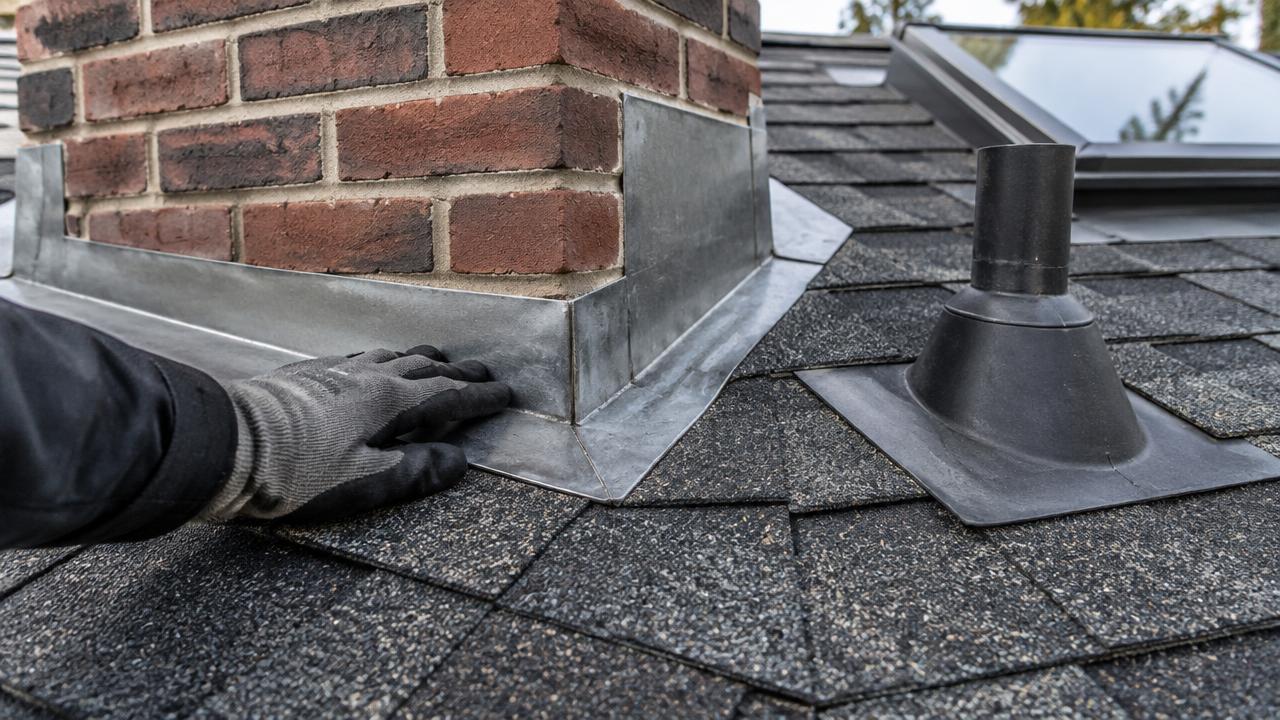
Roofing Tips · 8 min read
Roof Flashing Repair: Common Leak Points Around Chimneys, Vents, and Skylights
Find out why roof flashing leaks around chimneys, plumbing vents and skylights, the warning signs to watch for, and the repair options a roofer may recommend.
Read guide