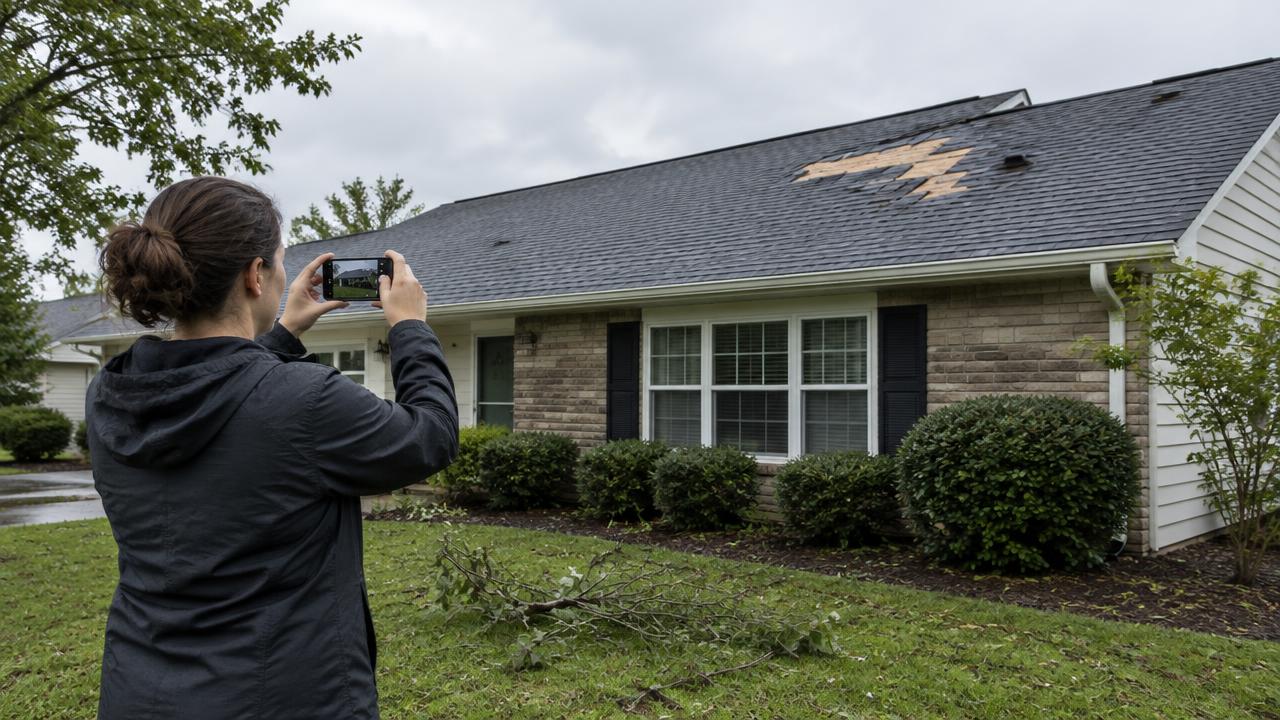
A contractor's roof estimate and an insurer's assessment may describe different damage or repair scopes. Here is how to organize evidence, ask for clarification and understand next steps without assuming coverage.
You receive a roofing proposal, then discover the insurance estimate is lower or describes a different repair. That difference does not by itself prove either document is wrong. One may omit hidden damage, use different quantities or address only the loss the insurer considers covered.
This guide focuses on the next steps after estimates differ, rather than repeating a hail-damage identification checklist. Policy wording and state rules control your options; a roofing contractor diagnoses roof work, while your insurer determines coverage under the policy.
Start with safety and your claim record
Keep people away from unstable ceilings and water near electrical equipment. Arrange safe temporary protection when necessary and keep photos, invoices and receipts. Ask your insurer what documentation it needs for emergency measures and whether inspection is needed before permanent work.
Create one folder containing your policy, claim number, dates of damage and reporting, inspection photos and all estimates. Keep a short record of calls and follow up important discussions in writing.
Related service:Storm damage roof repair →
Separate coverage questions from construction questions
An insurer may agree that roofing work is needed while disagreeing that its cause is insured. Wear, maintenance issues, excluded causes or pre-existing damage can affect coverage. Ask which policy provision explains any denied or limited item.
Separately, ask your contractor to identify what is damaged, why the proposed repair is necessary and which photos support the finding. A technical explanation is more useful than a promise that insurance will pay.
- Ask which event or cause the adjuster accepted.
- Identify whether the disagreement concerns quantity, repair method, price or coverage.
- Request written reasons for omitted roof areas or components.
Compare estimates line by line
Check roof area, waste, material type, tear-off, flashing, underlayment, ventilation work, disposal and access. Not every item is necessarily covered or needed; the goal is to identify concrete differences for review.
If code-related work is proposed, ask the contractor for the applicable requirement and ask the insurer whether your policy includes the relevant coverage. A price difference alone is not evidence that full replacement is required.
Related service:Roof inspection →Roof replacement →
Request a documented reinspection or supplement review
When the contractor identifies overlooked damage or necessary work, send the insurer the photos, measurements and itemized explanation. Ask how to request a reinspection and whether the adjuster and contractor can review the roof findings together.
A supplemental estimate should explain the additional scope and why it was not included initially. Keep damaged materials or evidence when practical and safe, following insurer instructions; do not delay necessary safety measures to preserve a photograph.
- Reference the claim number on submitted documents.
- Label photos by roof area and observed condition.
- Keep proof of submission and ask for the expected review process.
- Obtain approval or a written coverage response rather than relying on assumptions.
Understand deductible, depreciation and settlement terms
The estimate total is not necessarily the amount you receive. A deductible reduces an otherwise covered settlement, and depreciation may affect payment depending on actual cash value or replacement cost terms. Some policies have separate wind or hail provisions.
Ask which amounts are payable now, whether additional payment depends on completed repairs and which deadlines apply. Avoid anyone offering to misstate invoices or conceal the deductible; ask your insurer or state regulator about lawful payment arrangements.
If the disagreement is not resolved
Request the insurer's written explanation and review the policy's dispute provisions. Your state's insurance department can explain consumer complaint options. Appraisal, mediation or professional representation may be available in some situations, but applicability, costs and deadlines vary.
Before signing a repair contract or assignment, understand payment responsibility if coverage is reduced or denied. A roofer's contract is separate from your policy. This article is not insurance, legal or public-adjusting advice.
Related service:Roofing consultation services →
Frequently asked questions
Sources and further reading
Emergency roof leak?
What to do while you wait for a roofer
- Stay off the roof, especially in wind, rain, ice, or darkness.
- Move furniture, electronics, and valuables away from the drip.
- Catch water with buckets and towels; a small hole in a bulging ceiling can relieve trapped water.
- Turn off power to any area where water reaches lights, outlets, or fixtures.
- Photograph the damage inside and out (from the ground) for insurance records.
- Call to ask about connecting with an independent contractor for tarping and repair.
Contractor availability and response times vary by location.
This article is general information, not professional advice. Conditions, codes and requirements vary by location — always confirm details with a licensed, insured contractor in your area.