About this service
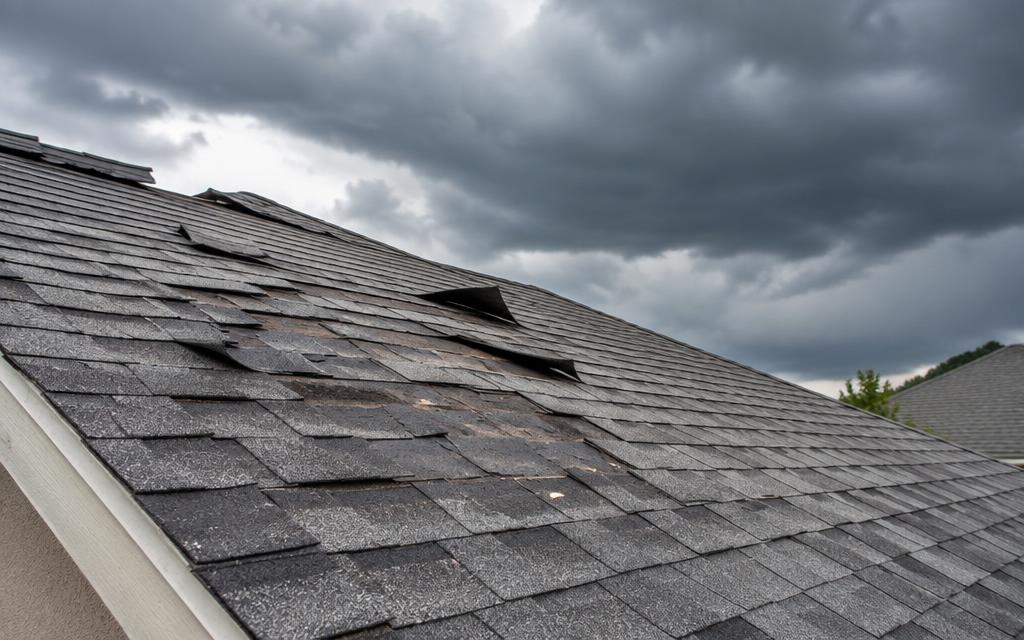
Severe weather can lift shingles, bruise them with hail, or drive debris into the roof surface. Storm damage repair starts with a documented assessment — useful for insurance claims — followed by repairs matched to the actual extent of the damage.
A qualified contractor should evaluate the complete roof assembly before recommending work. The visible symptom may begin at flashing, drainage, ventilation, fasteners, or materials several feet from where moisture appears indoors.
What it generally involves
- Documenting visible damage with photos and notes
- Checking for less obvious hail bruising and seal failures
- Making temporary weather-tight repairs where needed
- Completing permanent repairs or recommending replacement if damage is widespread
Things to consider
- Photograph damage before any temporary work, if it's safe to do so.
- Insurance policies and deadlines vary — review your own policy promptly after a storm.
- Be cautious of high-pressure door-to-door solicitations after major storms.
- Ask the contractor about permits and code requirements that apply in your city and county.
What to ask before work starts
- • What condition is causing the problem, and how was it confirmed?
- • Which materials, preparation steps, and disposal costs are included?
- • What workmanship coverage applies to this specific type of roofing work?
- • Are permits, weather protection, cleanup, and final inspection included?
Common questions
What should I do first after storm damage?
Document what you can see safely from the ground, prevent interior water entry if possible, and contact your insurer and a local contractor for an assessment.
Will insurance cover storm damage repair?
Coverage depends on your policy. Contractors can document damage, but claim decisions rest with your insurance company.
Does this site handle insurance claims?
No. We connect you with independent contractors; insurance matters are between you, your insurer, and the contractor you hire.