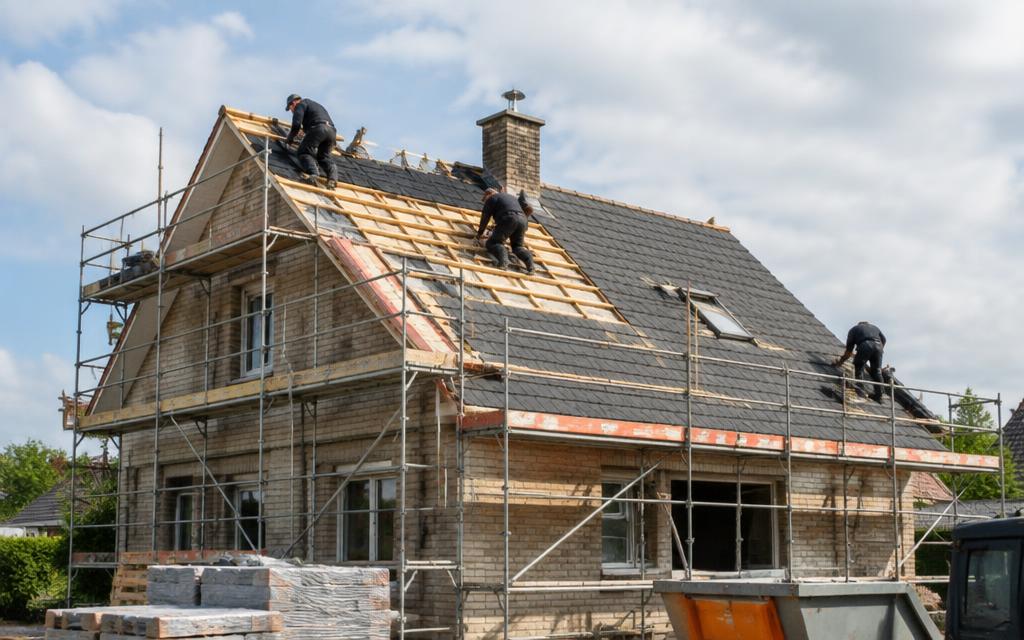
About storm damage restoration in Cary
Storm damage restoration goes beyond spot repair: it addresses roofing, decking, gutters, siding, and interior water damage after significant weather events. Projects often involve insurance coordination and phased reconstruction.
Properties in Cary and Wake County can differ in age, roof shape, materials, exposure, and local requirements. An on-site assessment is the reliable way to determine the right scope for a specific property.
Storm Damage Restoration in Cary should account for the roof’s current condition, its material and slope, and the weather exposures common across North Carolina. For storm damage restoration, the contractor should explain how the proposed material and installation details fit the building, roof slope, and local weather exposure.
Local weather and roof performance
Mid-Atlantic roofs may see humid summers, heavy rain, coastal or inland wind events, and winter freeze-thaw cycles. Flashing, drainage, ventilation, and secure roof-edge details should be evaluated together.
- Inspect flashing at chimneys, walls, valleys, and roof penetrations for water entry points.
- Check shingles and roof edges after wind events, even when damage is not obvious from the ground.
- Review gutters, downspouts, and attic ventilation before winter weather and summer humidity peaks.
Local permit, historic-district, coastal, or neighborhood rules may affect a project; confirm what applies to the exact address before work begins.
Emergency roof leak?
What to do while you wait for a roofer in Cary, NC
- Stay off the roof, especially in wind, rain, ice, or darkness.
- Move furniture, electronics, and valuables away from the drip.
- Catch water with buckets and towels; a small hole in a bulging ceiling can relieve trapped water.
- Turn off power to any area where water reaches lights, outlets, or fixtures.
- Photograph the damage inside and out (from the ground) for insurance records.
- Call to ask about connecting with an independent contractor for tarping and repair.
Contractor availability and response times vary by location.
What this work generally involves
- Full-property damage assessment and documentation
- Temporary protection of exposed areas
- Repair or replacement of roofing and damaged decking
- Restoration of related elements such as gutters and flashing
Local project considerations
- Thorough documentation at the start supports the insurance process.
- Restoration scopes should be itemized in writing before work begins.
- After widespread regional storms, contractor schedules fill quickly — plan accordingly.
- Ask the contractor about permits and requirements that apply in Cary.
Common questions
What's the difference between storm repair and restoration?+
Repair addresses isolated damage; restoration covers broader reconstruction across multiple building elements after major events.
Will my insurance cover storm restoration?+
That depends on your policy and the cause of damage. Contractors can document damage, but coverage decisions belong to your insurer.
Does this website perform restoration work?+
No. We connect property owners with independent contractors who perform and warrant their own work.
Roofing guides for Cary property owners
All roofing articles →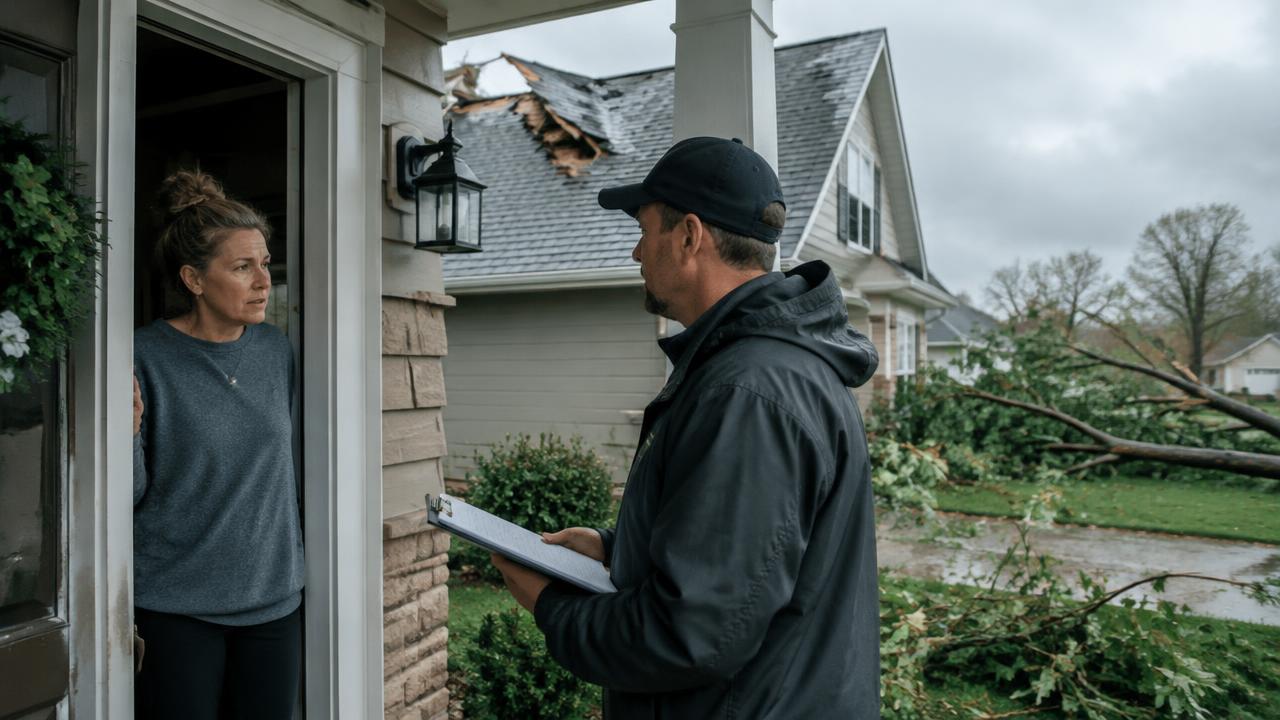
Storm & Emergency · 7 min read
Storm Chasers and Roofing Insurance Scams: Warning Signs After a Storm
After a storm, unknown roofers may knock on your door promising fast repairs or a free roof through insurance. Here is how to spot pressure tactics and protect your claim and your money.
Read guide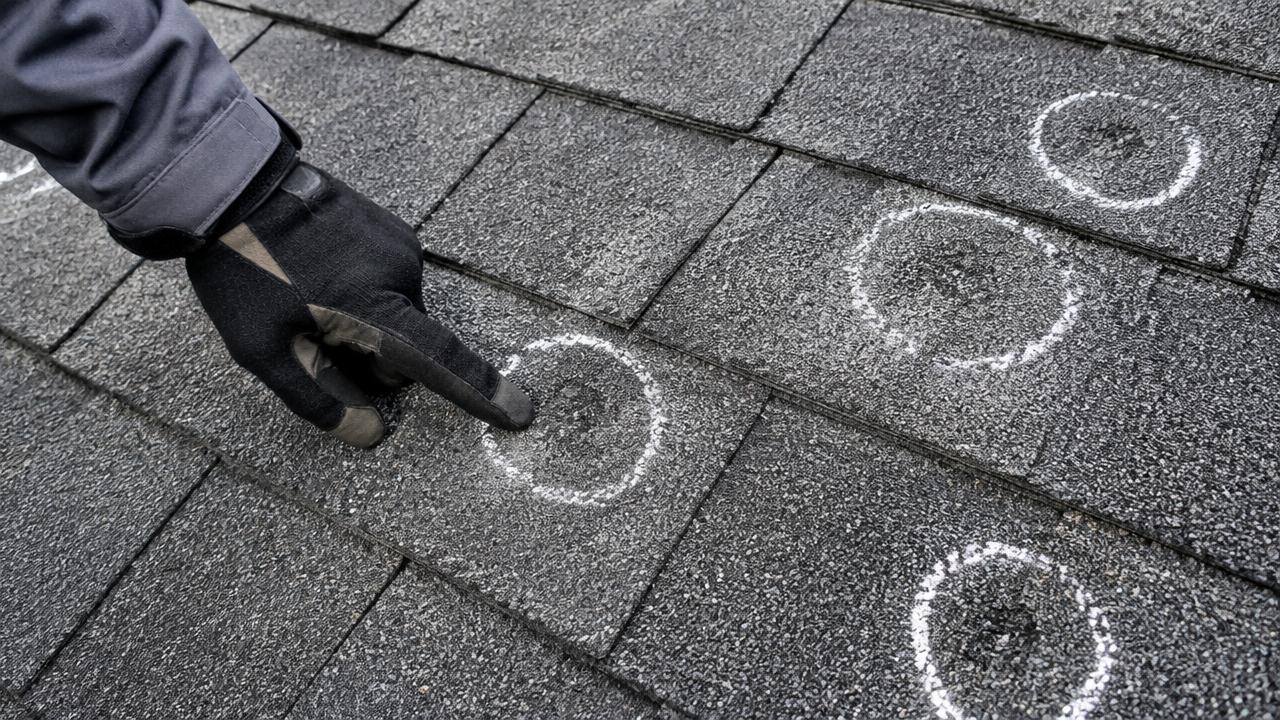
Storm & Emergency · 7 min read
Hail Damage on Your Roof: How to Spot It and File an Insurance Claim
Learn how to recognize hail damage on shingles, gutters and vents, what to document, and how to work through a roof insurance claim after a hailstorm.
Read guideStorm & Emergency · 7 min read
What to Do After Storm Damage to Your Roof: A Step-by-Step Guide
A practical checklist for homeowners after hail, wind or heavy rain — staying safe, documenting damage, temporary protection and finding a local roofer.
Read guide