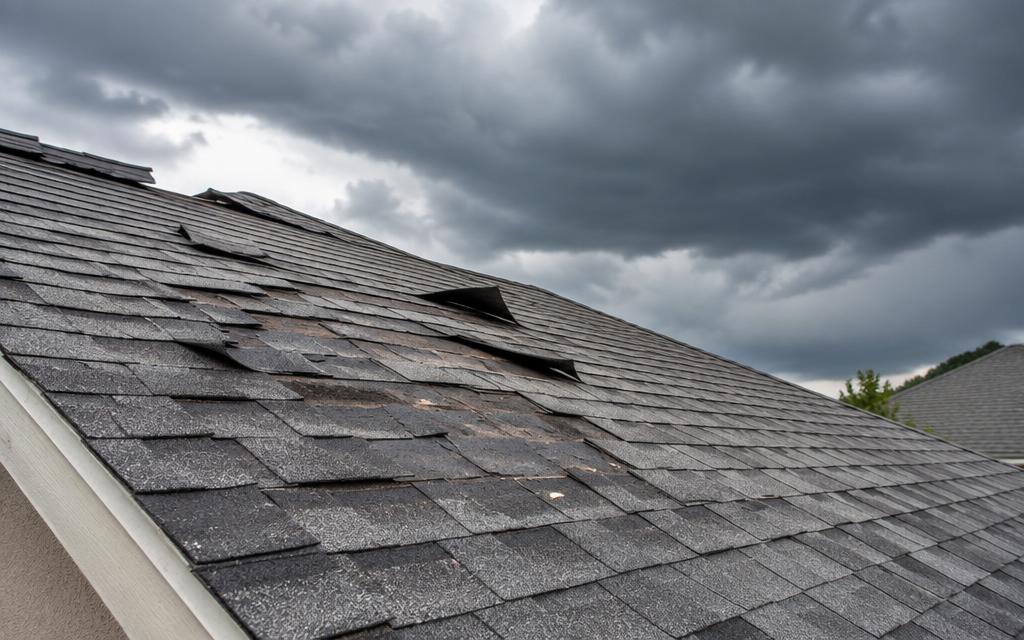
A practical checklist for homeowners after hail, wind or heavy rain — staying safe, documenting damage, temporary protection and finding a local roofer.
Step 1: Make sure everyone is safe
After a severe storm, check for hazards before anything else: downed power lines, fallen trees resting on the house, or water near electrical outlets. Don't climb onto a wet or damaged roof.
Step 2: Document the damage
Take dated photos and videos of the exterior and interior — missing shingles, dented gutters and vents, hail marks, fallen branches, and any ceiling stains or leaks. This record is useful for insurance claims and for contractors preparing estimates.
Step 3: Prevent further water damage
If water is coming in, move belongings, place buckets under drips and protect floors. Many roofing contractors offer emergency tarping to cover openings until permanent repairs can be made.
Step 4: Contact your insurance company
Review your homeowner's policy and report the claim promptly. Ask what documentation your insurer needs and whether they will send an adjuster. Coverage varies widely between policies, so confirm details directly with your insurer.
Step 5: Choose a contractor carefully
After big storms, out-of-area crews often go door to door. Protect yourself by:
- Verifying the contractor's license and insurance for your area
- Getting written estimates with a clear scope of work
- Avoiding large upfront payments before work starts
- Reading the full contract before signing anything
Frequently asked questions
Emergency roof leak?
What to do while you wait for a roofer
- Stay off the roof, especially in wind, rain, ice, or darkness.
- Move furniture, electronics, and valuables away from the drip.
- Catch water with buckets and towels; a small hole in a bulging ceiling can relieve trapped water.
- Turn off power to any area where water reaches lights, outlets, or fixtures.
- Photograph the damage inside and out (from the ground) for insurance records.
- Call to ask about connecting with an independent contractor for tarping and repair.
Contractor availability and response times vary by location.
This article is general information, not professional advice. Conditions, codes and requirements vary by location — always confirm details with a licensed, insured contractor in your area.