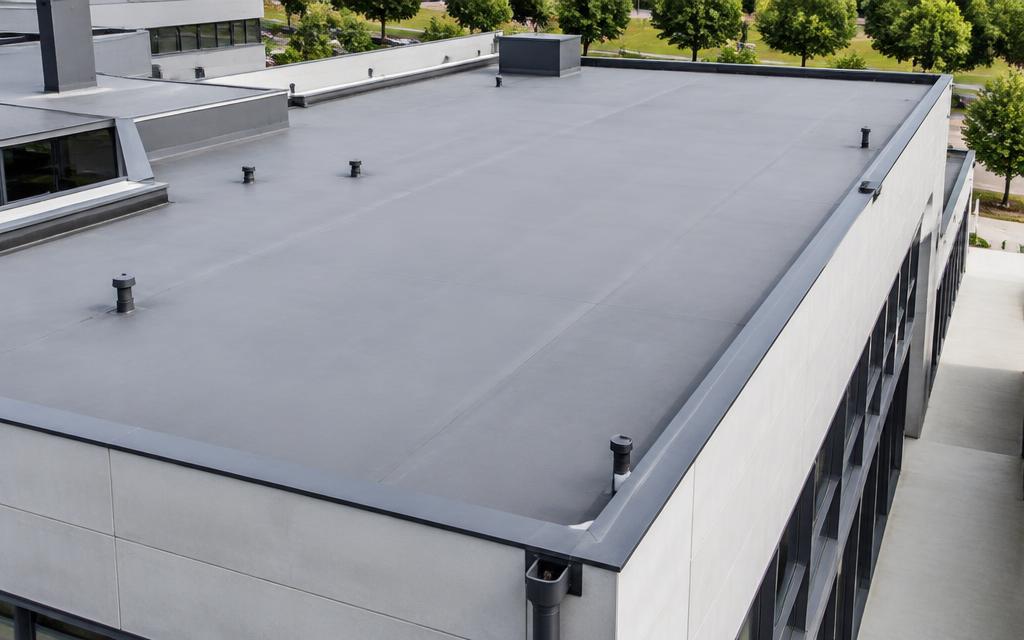
About flat roofing in McKinney
Flat and low-slope roofs rely on membranes and careful drainage design rather than overlapping shingles. Common systems include TPO, EPDM, PVC, modified bitumen, and built-up roofing, each with different installation methods and maintenance profiles.
Properties in McKinney and Collin County can differ in age, roof shape, materials, exposure, and local requirements. An on-site assessment is the reliable way to determine the right scope for a specific property.
What this work generally involves
- Evaluating slope, drainage points, and existing membrane condition
- Selecting a membrane system suited to the building
- Installing insulation, membrane, seams, and edge details
- Verifying drainage performance at scuppers, drains, and gutters
Local project considerations
- Ponding water is a key issue to address in flat roof design and repair.
- Seam quality largely determines a membrane roof's longevity.
- Regular inspections matter more on flat roofs because problems are less visible from the ground.
- Ask the contractor about permits and requirements that apply in McKinney.
Common questions
Are flat roofs more prone to leaks?+
They drain more slowly than pitched roofs, so membrane condition and drainage details matter greatly. Well-installed and maintained flat roofs perform reliably.
Which flat roofing material is best?+
There's no universal answer — TPO, EPDM, and PVC each have strengths. A contractor can match a system to your building and climate.
Does this site install flat roofs?+
No. We are a service that connects you with independent contractors who perform the work.